



















EU's Crypto Rules Spark Liquidity Concerns Amid USDT Delistings

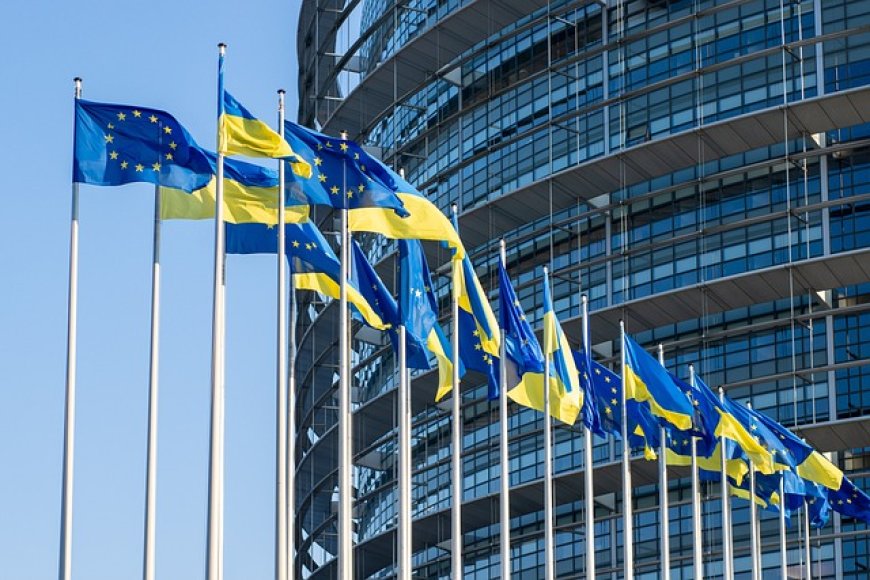
The European Union's impending crypto regulations are set to reshape the region's digital asset landscape, but not without challenges. As the Markets in Cryptoassets (MiCA) framework comes into full force on December 30, market participants are bracing for significant disruptions in liquidity due to the mandated delisting of Tether’s USDT from EU-regulated platforms, according to a Bloomberg report.
MiCA and Its Implications
MiCA is designed to increase transparency and combat illicit financial activity by imposing stringent requirements on stablecoin issuers. These include obtaining e-money licenses, maintaining substantial reserves, and overseeing payment-related transactions. Tether Limited, the issuer of USDT, has yet to meet these requirements, leading to its exclusion from EU exchanges.
Liquidity Challenges Loom
USDT’s role as a key trading pair in global crypto markets means its absence in the EU could disrupt trading activity, increase inefficiencies, and raise transaction costs for investors. Pascal St-Jean, CEO of 3iQ Corp, emphasized:
"A vast proportion of crypto assets trade against Tether’s USDT. Forcing investors to switch to other stablecoins or fiat currencies introduces inefficiencies and raises transaction costs."
Exchanges like OKX, which preemptively delisted USDT in Europe earlier this year, reported shifts toward fiat-based trading pairs. However, the adjustment has not fully alleviated concerns about reduced liquidity and market fragmentation.
Regulatory Divergence and Global Impact
The EU's strict regulatory approach contrasts with growing optimism in the U.S., where pro-crypto policies are expected under President-elect Donald Trump’s administration. This divergence has led critics to warn that Europe’s tight controls may push traders and liquidity providers to jurisdictions with more lenient rules, undermining the bloc’s global competitiveness.
Mixed Market Signals
Despite regulatory hurdles, the European Central Bank noted a doubling of crypto ownership in the eurozone since 2022, with 9% of the population now holding digital assets. However, venture capital investment in European crypto startups has plummeted to its lowest levels in four years, reflecting broader apprehensions about the region’s ability to foster innovation under stricter frameworks.
A Balancing Act
While MiCA aims to enhance market stability and transparency, its immediate impact on liquidity and investor confidence poses a challenge to Europe’s position in the rapidly evolving crypto industry. As the EU navigates this regulatory shift, the effectiveness of its approach will likely shape the future of its digital asset market.
What's Your Reaction?