


















Choosing Between USDT and USDC: Key Factors to Consider in the Stablecoin Market

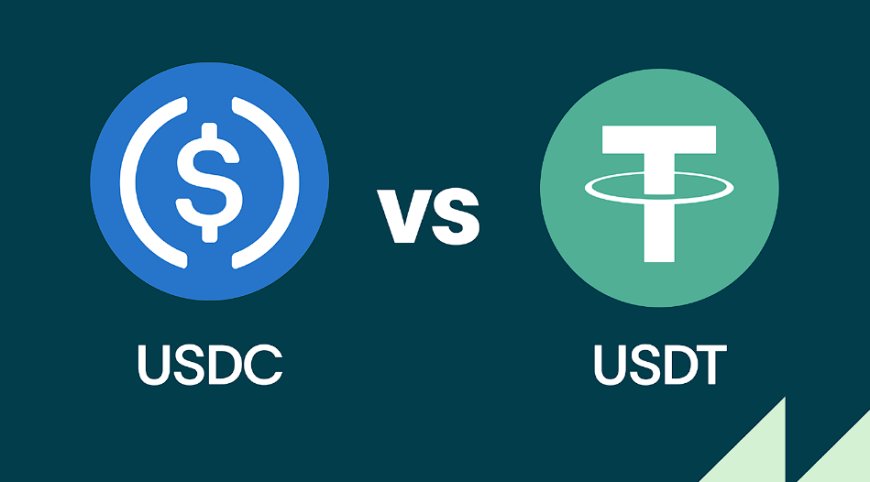
In the expanding world of digital finance, stablecoins like USDT (Tether) and USDC (USD Coin) have become essential tools. Both pegged to the US dollar, these stablecoins combine cryptocurrency's benefits with the stability of traditional currencies. Their popularity is rising rapidly worldwide, with stablecoin payments reaching impressive levels, such as the $1 billion mark in Singapore’s recent quarterly report.
Though they appear similar, USDT and USDC offer distinct advantages, primarily in liquidity and transparency. Let’s explore what sets them apart.
Key Differences Between USDT and USDC
Transparency and Trust
USDC is often favored for its transparency, thanks to Circle's consistent issuance of monthly attestation reports verified by independent accounting firms. This transparency has bolstered USDC's reputation, making it a trusted choice for users and regulators alike. Meanwhile, Tether (USDT) has faced scrutiny regarding its reserve transparency, although it has recently increased its disclosure frequency by publishing quarterly reports. Tether asserts its reserves fully back each USDT token, just as Circle does for USDC.
Regulatory Compliance
In regulatory compliance, USDC holds a slight edge, especially appealing to institutions and traditional financial sectors. Circle maintains reserves in regulated US banks and adheres to strict KYC (Know Your Customer) and AML (Anti-Money Laundering) standards. Tether, though increasingly compliant, has faced regulatory challenges in the past. However, it continues to improve and collaborates with law enforcement to uphold its compliance standards.
Liquidity and Market Presence
USDT’s stronghold lies in its liquidity and market penetration. Established in 2014, it’s widely integrated into the crypto ecosystem, and its widespread acceptance across exchanges and trading pairs has made it the most traded stablecoin by volume. USDC’s decision to exit the TRON network, likely due to AML considerations, contributed to USDT’s dominance, as users seeking low-cost transactions on TRON migrated to USDT.
Transaction Fees
Transaction costs for both stablecoins vary by the blockchain network. The Solana and Algorand networks offer some of the fastest, most affordable transactions, with Solana handling up to 1,504 transactions per second at minimal fees. Algorand’s low fees and reliable processing power are also appealing, helping both stablecoins provide efficient transaction options.
The Growing Role of Stablecoins in Finance
The rise of stablecoins is closely linked to tightening banking regulations. Stricter compliance under Basel II and III has pushed some businesses toward stablecoins as a transactional alternative. The high transaction volumes of USDT, in particular, have even outpaced traditional payment systems like Visa, prompting companies such as Visa to explore crypto integrations.
This trend underscores a critical insight: although both Tether and Circle issue centralized stablecoins, these coins operate on decentralized networks, blending regulatory compliance with the efficiency of blockchain. Yet, it’s worth noting the centralized control that underpins both coins.
The impending Basel IV regulations could also affect the stablecoin market. USDT’s reserves are largely held in US treasury bills, generating significant returns due to rising interest rates and exemplifying the broader economic impact of stablecoin assets. This structure, however, also places a portion of Tether’s reserves under US oversight.
Choosing the Right Stablecoin
Both USDT and USDC serve distinct needs within the crypto ecosystem. For traders seeking quick access across platforms, USDT’s liquidity and wide availability offer an advantage. Meanwhile, users prioritizing transparency, regulatory backing, and security may find USDC a more suitable choice.
Stablecoins are poised to continue their growth, bridging the best of cryptocurrency and traditional finance for a broad user base. Their significance in digital transactions and beyond will only expand, making them invaluable assets for modern finance.
What's Your Reaction?